How Uneven Ground Teaches the Body to Stabilise
Why the ground under your feet matters more than you think
Most people train balance on a flat gym floor or a stable mat. That seems logical, because balance is usually tested while standing still. Yet the human body did not evolve on perfectly level surfaces. It evolved on dirt, roots, gravel, sand and grass. Those surfaces shift, tilt and surprise the foot with every step.
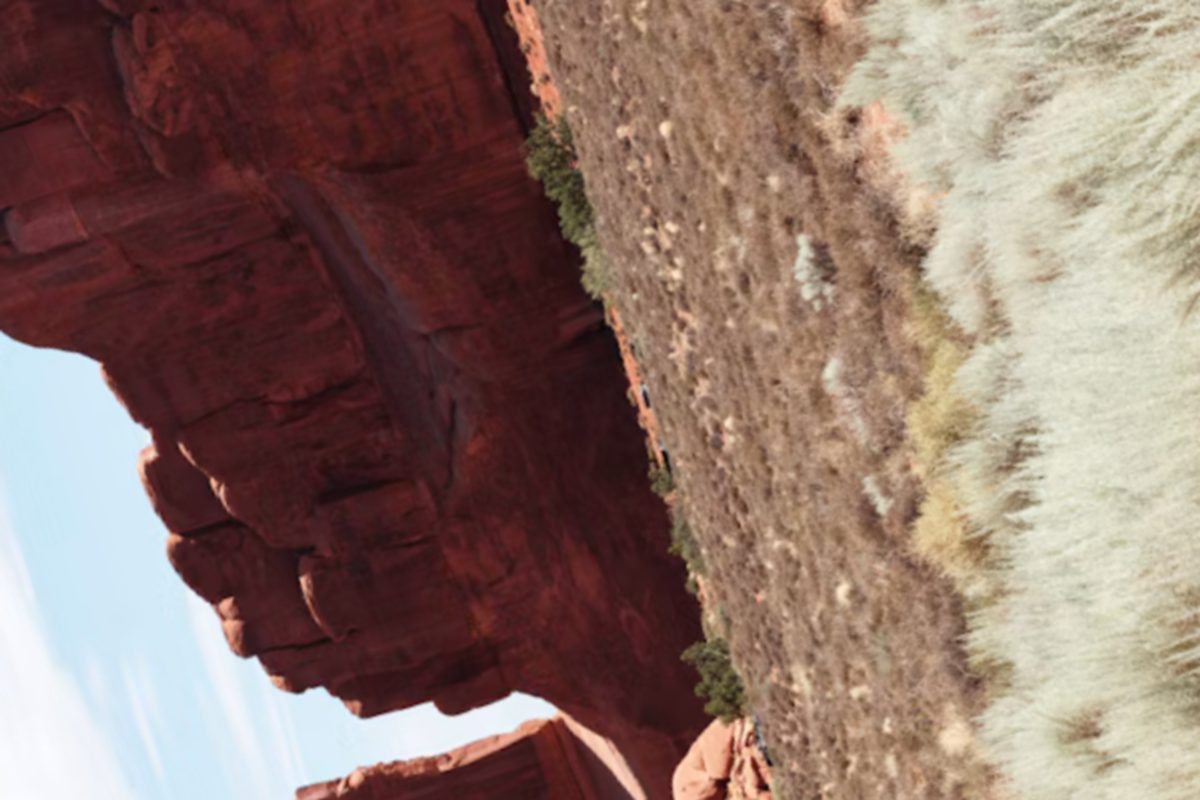
When you walk on uneven ground, your ankle, knee and hip must make tiny corrections many times per second. This constant adjustment is not a flaw. It is the very skill that balance training is trying to build.
The nervous system learns through surprise
On a flat floor, your body quickly predicts what will happen next. The muscles around the ankle fire in a familiar pattern, and the brain stops paying close attention. On a trail or a cobblestone street, that prediction fails. The ground tilts left, then right, then drops away without warning.
That small failure is useful. It wakes up the proprioceptors in the feet, ankles and knees. These sensors send rapid messages to the brain, which then commands the muscles to correct the body before a fall happens. This loop is called a sensorimotor response, and it only improves when it is challenged.
"Balance is not a static skill. It is a conversation between the ground and the body."
What uneven surfaces actually train
Trails, grass and cobblestones ask the body to correct itself constantly, and that is exactly what balance needs. The corrections are small, but they add up. Over time, the body becomes faster and more automatic at stabilising itself.
- Ankle stability improves as the foot rolls over small rocks and roots.
- Hip strength grows because the pelvis must stay level on a tilted surface.
- Reaction speed increases as the nervous system learns to fire muscles sooner.
- Body awareness sharpens, so you notice a loss of balance before it becomes a fall.
These benefits do not come from standing still on a wobble board once a week. They come from moving across ground that is never quite the same twice.
A simple way to add uneven ground to your week
You do not need a mountain trail. A grassy park, a gravel path or a cobbled square can be enough. Start with short walks and let your body adapt. The goal is not speed. The goal is to let the ground teach you.
- Walk slowly on grass and notice how your feet land.
- Find a gravel path and keep your steps small and controlled.
- Try a cobblestone street for a few minutes, holding a rail if needed.
- Progress to a trail with roots and rocks once you feel confident.
Why the body remembers what the ground teaches
After weeks of walking on uneven surfaces, the body stores those corrections as patterns. The brain no longer has to think about every small tilt. It responds automatically, which is the true meaning of stable movement.
That is why a person who hikes regularly often recovers faster when they stumble on a city pavement. The body has already practised the art of correcting itself. Uneven ground is not a hazard to avoid. It is a teacher, and balance is its lesson.