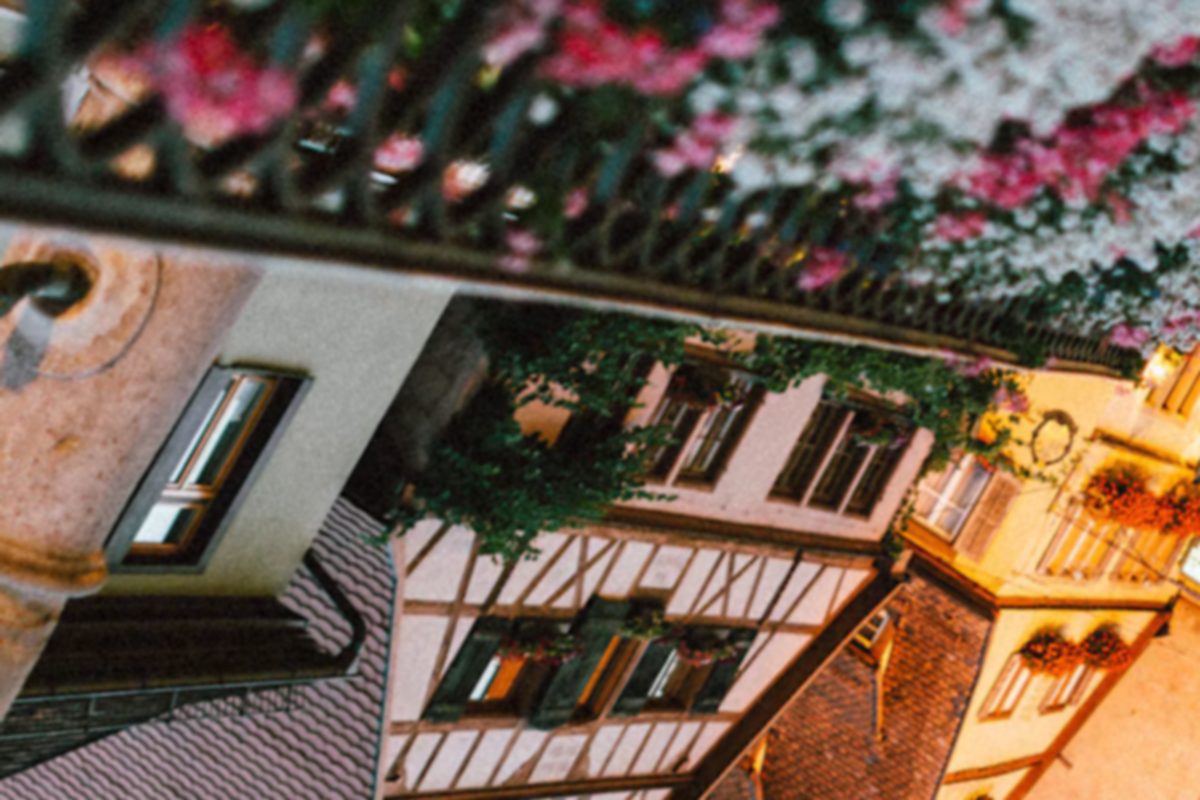
Walking Through the Seasons: What Changes and What Stays
There is a particular kind of attention that only comes from walking the same route again and again. The street does not change, but everything about it does. On queenofmail.nl, we like to think of these walks as a quiet calendar, written in light and smell rather than in dates. Here is what shifts from winter to summer, and what quietly refuses to move at all.
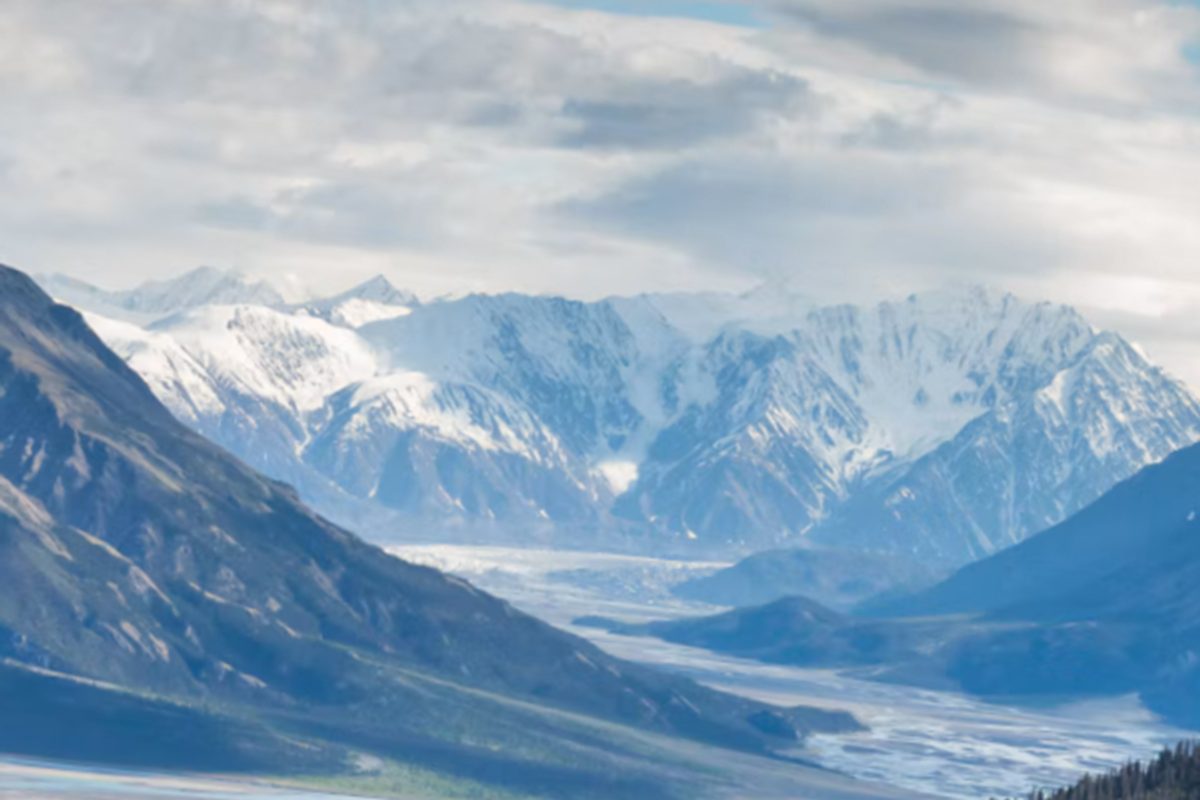
Light: The Long Return
In winter, the same familiar route feels narrower. The light arrives late and leaves early, and by four in the afternoon the pavements are already blue-grey. Streetlamps become the main source of colour, pooling orange on wet stone.
By summer, that route is unrecognisable in the best way. Six in the evening still feels like midday, and shadows stretch instead of vanish. The light no longer guides you home; it invites you to keep going. On the same corner where you once hurried past in darkness, you now pause for no reason at all.
Smell: A Different Air
Winter smells are close and mineral: damp wool, chimney smoke, cold metal on a gate. The air is thin and sharp, and you notice it mostly inside your nose rather than around you.
Summer smells are wider and softer. Cut grass, warm brick, sunscreen, rain on hot asphalt. The route you know by sight becomes a route you know by breath. Here is how the seasons usually present themselves along a single familiar walk:
- Winter: woodsmoke, wet leaves, frost on hedges.
- Spring: blossom, turned soil, the first cut lawns.
- Summer: lime trees, hot dust, evening barbecues.
- Autumn: fallen apples, leaf mould, early fires.
Pace: How We Move
Winter walking is practical. Shoulders up, hands deep, eyes on the ground for ice. You move to arrive, not to wander. The route is a means, not a place.
Summer walking is slower and more curious. People stop, lean on railings, let dogs sniff. The same distance takes longer, and nobody minds. Pace becomes a kind of permission, not a measurement.
What Stays the Same
Underneath all of this, the geometry holds. The crooked gate, the low wall, the tree that leans over the path, the bakery that opens at seven. These are the fixed points that make the seasonal changes legible.
As one neighbour put it on a foggy morning:
"The street never changes. I do."That is probably the truest note in any season.
A Small Practice for Any Month
Try walking one route four times a year and noting only three things: the light, the smell, the speed of your own steps. You do not need a journal with columns, though that helps. A simple table can be enough:
| Season | Light | Smell | Pace |
|---|---|---|---|
| Winter | Low, brief | Smoke, frost | Quick, purposeful |
| Summer | Long, golden | Grass, dust | Slow, wandering |
Walk it once, and the route belongs to the map. Walk it across a year, and it belongs to you. The seasons do the rest.